Exploring the Wonders of the Animal Kingdom: Insights from Beastology and Wildlife Research
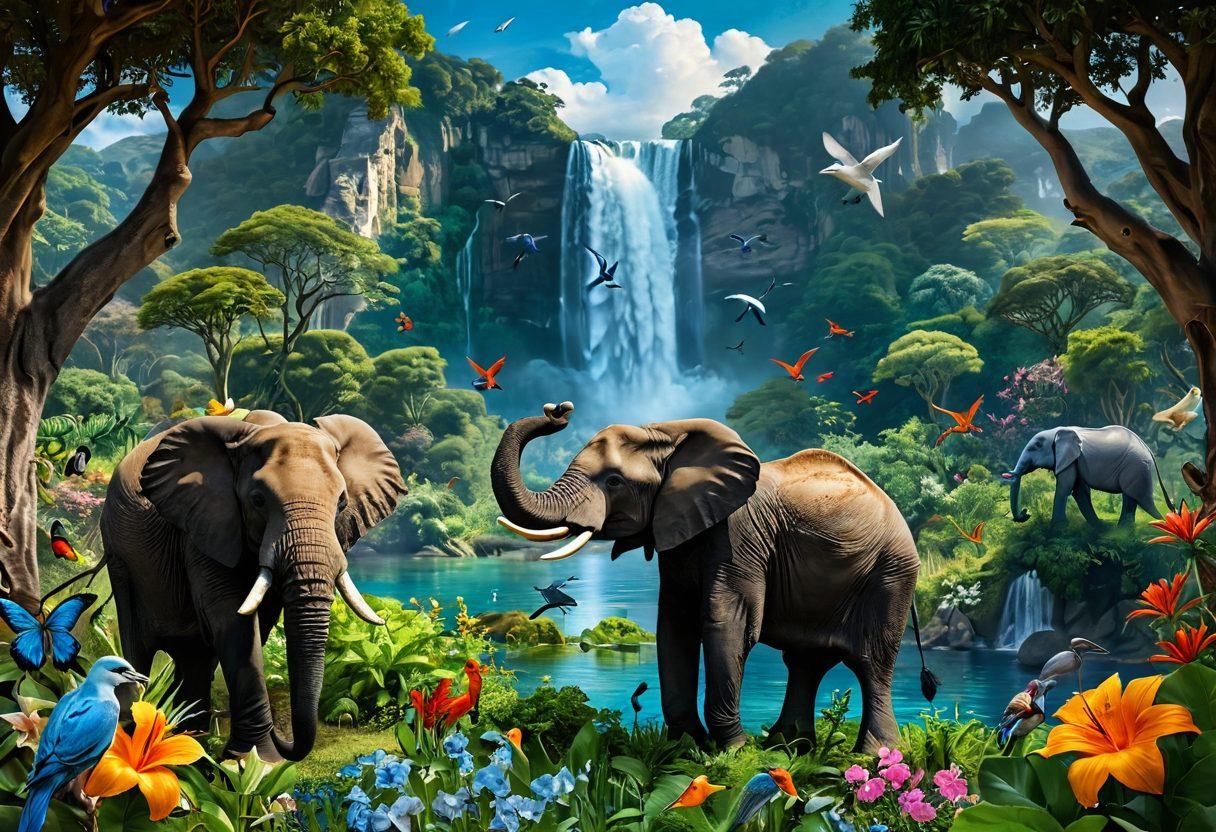
In the boundless tapestry of life, the animal kingdom stands as a remarkable testament to nature's creativity and resilience. Today, we embark on a thrilling adventure into the heart of beastology, where we unveil the secrets of fauna that often elude our understanding. What makes the study of animal behavior, often referred to as ethology, so fascinating? How do these insights contribute to wildlife conservation and the preservation of our planet's rich biodiversity? Join me as we dive deeper into the world of animal science, exploring the vital role that creature studies play in shaping our understanding of the natural world.
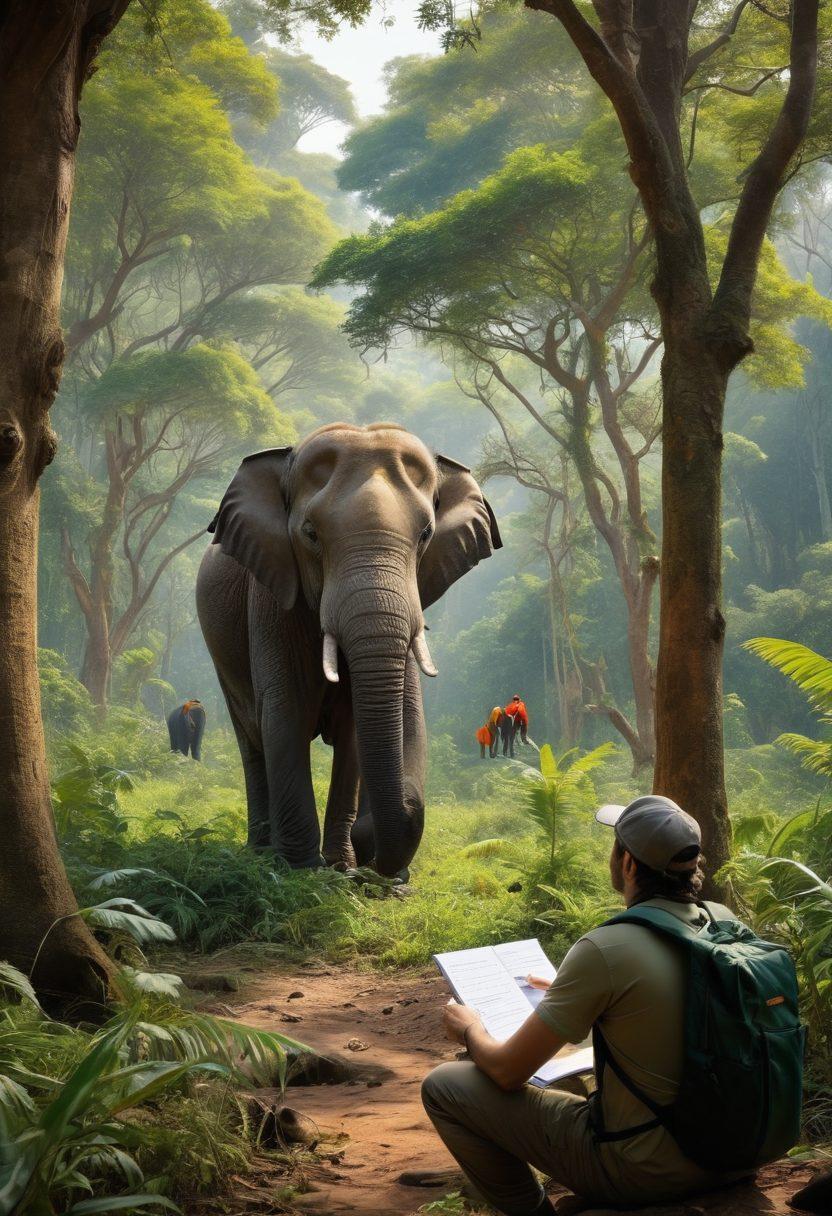
Beastology, in essence, is the intricate study of creatures and their interactions within ecosystems. Picture this: a dedicated wildlife researcher perched quietly in a tree, patiently observing a troop of monkeys as they interact and communicate in their complex social structure. What do their behaviors reveal about their relationships, their environment, and even about us? Through fauna studies, we gain invaluable knowledge not just about animals, but also about the health of our ecosystems and the importance of habitat preservation. After all, a thriving animal kingdom is a reflection of a healthy planet!
As we delve further into wildlife research, let’s take a moment to reflect on the importance of species interactions within an ecosystem. Did you know that every creature, from the tiniest insect to the largest mammal, contributes to ecological balance? This interdependency shapes the very fabric of life. Each species has its role to play—predators manage prey populations, herbivores aid in plant growth, and decomposers recycle nutrients back into the soil. Understanding these relationships through animal behavior analysis and habitat studies allows us to advocate for wildlife and promote conservation efforts that are truly effective.
The challenges facing our wildlife today are immense. From climate change to habitat destruction, endangered species studies spotlight the urgent need for action. It’s easy to feel overwhelmed by the scale of these issues, but every small effort counts! Whether you’re involved in wildlife blogging or actively participating in wildlife advocacy, sharing knowledge and awareness can create ripples of change. Have you ever considered how your everyday choices impact the creatures around you? Even simple actions like reducing plastic use or supporting wildlife-friendly products can make a difference in preserving our natural heritage.
As we draw our exploration of beastology to a close, remember that the secrets of the animal kingdom are not merely academic; they are a call to action. The insights gathered from creature studies contribute significantly to animal welfare and conservation efforts, ensuring that our planet's biodiversity thrives for generations to come. So, what role will you play in this grand tapestry of life? Whether you're a student of animal ecology, an enthusiast of creature behavior, or a passionate advocate for wildlife, your engagement has the power to foster change and protect the incredible species that share our Earth. As we acknowledge the deep connections between all living beings, let’s strive to ensure that the wonders of the natural world remain intact, vibrant, and full of life.
Wildlife Research: Bridging the Gap Between Conservation and Animal Behavior
The animal kingdom is a treasure trove of wonders, filled with intricate relationships and fascinating behaviors that captivate our hearts and minds. As we delve into wildlife research, we uncover the bridge that links conservation efforts with the understanding of animal behavior. This connection is crucial not only for the pursuit of knowledge through disciplines such as beastology and zoology but also for the preservation of our planet's biodiversity. If you ever wondered about the secret lives of creatures, wildlife research opens the door to this mysterious realm, revealing stories that speak of survival and adaptation in the natural world.
Imagine a forest teeming with life—the rustle of leaves, the call of birds, and the subtle movement of creatures in their habitats. Wildlife research serves as our ears and eyes into this vibrant ecosystem. Utilizing animal behavior analysis, researchers study how species interact, compete, and thrive. Picture a proud alpha wolf leading its pack through the dense underbrush. How do these animals communicate? What strategies do they employ for hunting? These queries drive the quest for better understanding through creature studies and ethology, encouraging us to become advocates for wildlife conservation.
The journey of wildlife research is driven by a passion for animal welfare and the urgent need for habitat preservation. Each species plays a vital role in maintaining the delicate balance within our ecosystems. Take for example the pivotal role of bees in pollination; their decline poses a threat to food production and biodiversity. By focusing on endangered species studies, wildlife researchers collect vital data that informs conservation strategies. Isn’t it astounding to think about how the smallest creatures can have such profound impacts on our environment?
Through animal tracking and species interactions, researchers can map the behaviors that sustain populations and promote biodiversity. A wildlife blog dedicated to these topics allows for the dissemination of information that not only educates but also galvanizes public support for wildlife advocacy. When we understand that our actions impact every corner of the animal kingdom, we become more empowered to participate in efforts that uphold nature conservation. Imagine the possibilities when communities rally together to protect wildlife—every effort counts!
The intersection of wildlife research and conservation sparks an urgent call to action. What can you do to contribute? It can be as simple as participating in local conservation efforts, contributing to habitat restoration projects, or educating yourself and others about the importance of fauna studies. Every individual has a role in promoting animal ecology, safeguarding our natural treasures for future generations. As we step into the realms of wildlife research, let’s remember that our connection to the animal kingdom is a two-way street, and together we can create a world where both humans and wildlife thrive harmoniously.
Understanding Biodiversity: The Role of Creature Studies in Ecosystem Health
When we think about the vast expanse of life on Earth, it’s easy to overlook the intricate connections that bind us all together. From the tiniest microorganisms in the soil to the largest mammals roaming wilderness, every creature plays a pivotal role in maintaining the balance of our ecosystems. The field of beastology, intertwined with zoology and wildlife research, unveils the secrets of our animal kingdom, highlighting the importance of understanding biodiversity and the urgency of wildlife conservation. It begs the question: how well do we truly understand the myriad species that share our planet?
Biodiversity isn’t just a buzzword; it is the foundation of our planet’s health. Creature studies illuminate how species interactions support the variety of life forms, from harmonious symbiosis to fierce predator-prey dynamics. Think about it: have you ever observed how a bee pollinates flowers while obtaining nectar, or how wolves impact deer populations? These are perfect examples of how every action in nature reverberates through ecosystems. When we study animal behavior analysis through fields like ethology, we start to realize that each animal, no matter how small, plays a part in the grand opera of life. Could we perhaps be more like the bees and contribute positively to our world?
Imagine walking through a dense forest or across a vibrant savannah, feeling the pulse of the natural world around you. This is the very essence of habitat preservation, a principle that underpins wildlife conservation initiatives aimed at protecting endangered species and their environments. As we venture into areas rich in biodiversity, we are reminded that our relationship with nature is symbiotic. By integrating animal ecology and ecosystems studies into our daily lives, we can foster a deeper understanding of what it means to coexist with these magnificent beings. How can your actions contribute to nurturing the ecosystems that support all life?
Wildlife advocacy is a vital part of fostering appreciation for our animal kingdom, and it extends far beyond just conservation efforts. Engaging with nature through wildlife blogs can spark curiosity and inspire action in everyday people. This is particularly crucial in our fast-paced world, where awareness of environmental issues often takes a backseat. By sharing stories of creature studies and wildlife research, we not only educate ourselves but also weave a community that values animal welfare and supports efforts for ecological balance. So, what steps can you take today to be an advocate for wildlife?
The good news is there are countless ways to engage with our environment and promote biodiversity. Whether it's through animal tracking, participating in fauna studies, or simply observing the creatures in your backyard, every small action counts. Explore your local ecosystems and challenge yourself with the task of identifying different species; preserve the natural world around you for future generations. With every discovery, we bring forth a greater appreciation for the balance of life that sustains us. So, let's step into the wild with open hearts and curious minds, and perhaps, just perhaps, we can save the wonders of our animal kingdom from fading into obscurity.